About Me

My photo
Novato, CA, United States
Above, Consulting/Freelance Avian Biologist and Certified Wildlife Biologist Asc. Daniel Edelstein riding an ATV while conducting raptor surveys at a proposed wind energy turbine site in the Wilson Range of Nevada. Feel free to view his resume at warblerwatch.com where you can also review his "Birding Tours" options where he regularly leads year-round birding forays for individuals and groups to view common and rare bird species in the San Francisco Bay area, the Sierra Nevada mountains, the Monterey/Big Sur coast, and the Midwest (primarily, Wisconsin). Contact him at danieledelstein@att.net Conducting field surveys since 1985 for common & special-status bird, mammal, amphibian, & reptile species (in addition to common plant species), Daniel performs diverse consulting roles related to biological, regulatory, and permitting elements. His status as a Certified Wildlife Biologist Associate (warblerwatch.com) includes earning a M.S. in Natural Resources in 1985. His permits: USFWS Endangered Species Recovery Permit for Ridgway's Rail, California Red-legged Frog, and California Tiger Salamander (TE101743-0). His resume is present at warblerwatch.com

Resources To Purchase For BIOL 80B (Bird Songing): Required Books/Resources For Students

Saturday, August 23, 2008

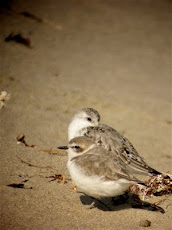
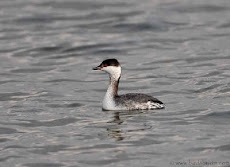
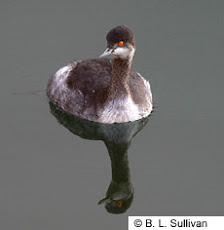
Which "waterbird" species are common to see in the Bay Area?


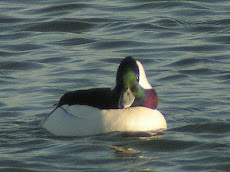
. . . and the Green Heron (attached photo, here) (© Len Blumin) is one we're likely to see in creek bottomland areas when our upcoming 11/6 - 12/14/08 class meets for five field trips (in addition to the three classroom sessions).

To register, note the procedure in other areas of this blog site
(www.merritt.edu and the class is BIOL 48 NU or ENVST 48 OG)

Other "waterbirds" we're most apt to see include at least a dozen duck species, four (more) heron family members, and almost a dozen shorebird species -- in addition to three loon, three cormorant, and (if you are daring and intrepid) as many as a half dozen gull species.

Note that I'll have extra binoculars for the field trips -- and my high-powered spotting scope magnifies distant birds with a zoom lens that goes from 20 power to 60 power.

Regards, Daniel
http://www.warblerwatch.com

http://warblerwatch.blogspot.com

No comments: